




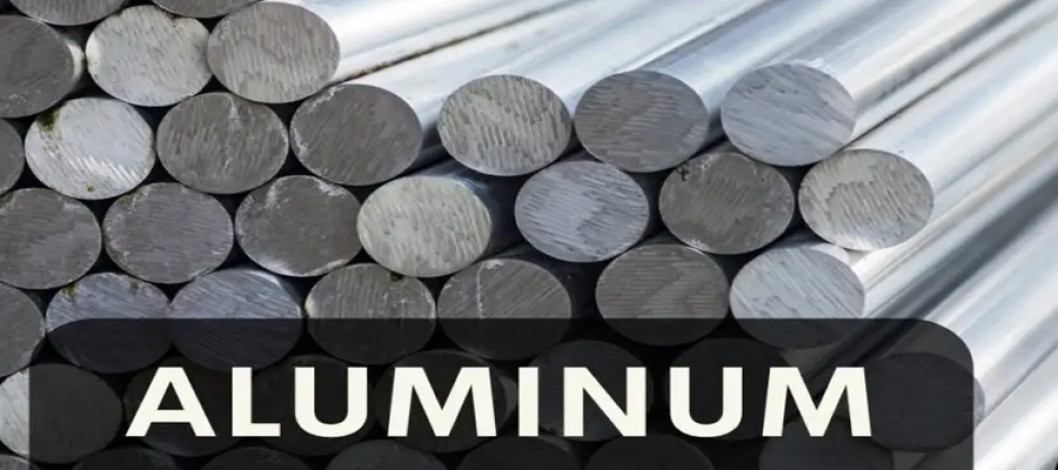
Is Aluminum a Metal?
If you searched is aluminum a metal, the direct answer is yes. Aluminum is a metal, and it is also a chemical element. In industry and everyday products, it is often used in alloy form because pure aluminum is relatively soft, while alloying can improve strength and performance.
Aluminum Is a Metal in Plain English
Yes, aluminum is a metal. More precisely, it is a lightweight, silvery metal and a non-ferrous metal, which means it does not contain iron. The RSC periodic table identifies it as the element Al. So if you are wondering is aluminum a metal or a nonmetal, chemistry puts it firmly on the metal side. If your question is is aluminum an element, that answer is yes as well.
Where Aluminum Fits in the Classification Ladder
*Element: aluminum, with the symbol Al
*Metal: a true metallic element
*Non-ferrous metal: contains no iron
*Post-transition metal: commonly grouped in this general chemistry category
*Alloy usage: often encountered in aluminum alloys rather than as fully pure metal
Why This Basic Answer Matters in Real Use
This simple classification affects real decisions. People choose metals for conductivity, formability, durability, and fabrication options, and aluminum belongs in that conversation. That is why searches like is aluminum metal and is aluminum a metal or nonmetal keep showing up when someone compares it with steel, copper, or plastic.
It also matters because aluminum does not behave like the heavy metals many people picture first. It feels light in the hand, resists corrosion well, and shows up in cans, foil, window frames, and aircraft parts. Those differences can make people pause, even though the classification itself is not in doubt. The interesting part is not whether it is a metal, but why it seems unusual compared with iron-based materials.
Aluminum can seem unusual because it is light and not strongly magnetic in daily use

Why Aluminum Confuses People
Aluminum often breaks the picture many people have of a metal. We tend to imagine metals as heavy, strongly magnetic, and quick to show the reddish-brown damage seen on old steel. Aluminum does not act that way in everyday life, so it can seem oddly different even though it is still a true metal.
Why Lightweight Metals Seem Counterintuitive
Weight is usually the first thing that throws people off. A soda can, a roll of foil, or a slim window frame feels so light that some readers start wondering whether it belongs with plastics or metalloids instead. That is one reason searches like is aluminum a metalloid keep showing up. The catch is simple: being lightweight does not cancel metallic identity. Aluminum is real metal, just much lighter than iron-based materials people know best.
*Myth: Metals must feel heavy. Reality: Aluminum is a metal even though it feels light in the hand.
*Myth: If it does not rust like steel, it is not metallic. Reality: does aluminum rust is a common search, but rust is specific to iron and steel. Aluminum forms a thin protective oxide layer instead.
*Myth: If a magnet does not stick, it cannot be a metal. Reality: Searches such as is aluminium magnetic material reflect this confusion, but pure aluminum is paramagnetic, so its response to a magnetic field is very weak in ordinary use.
Why Aluminum Does Not Behave Like Iron or Steel
Iron and steel corrode into flaky iron oxide. Aluminum behaves differently. When a fresh aluminum surface meets air, it quickly develops a thin, hard oxide film that helps protect the metal underneath. So if you are asking does aluminum rust or will aluminum rust, the practical answer is that it can corrode under certain conditions, but it does not rust in the iron-and-steel sense.

Why Nonmagnetic Does Not Mean Nonmetal
Strong everyday magnetism is typical of ferromagnetic metals like iron and nickel, not aluminum. That is why is aluminum a magnetic metal sounds like a useful test but actually is not. Some aluminum alloys may show slight magnetic behavior if elements such as iron or nickel are present, yet that still does not change the base classification.
Light weight, weak magnetism, and unusual corrosion behavior can mislead the eye, but they do not change aluminum's identity as a metal.
The confusion comes from surface behavior. The deeper answer comes from chemistry, where aluminum's elemental nature and periodic-table position explain why it behaves like this in the first place.
How Chemistry Classifies Aluminum
Chemistry clears up that surface-level confusion fast. Aluminum is an element, not just a material name used in packaging, construction, or transportation. On the RSC periodic table, it appears as Al, atomic number 13, which places it firmly among the metallic elements.
Aluminum as a Chemical Element
At the most basic level, aluminum is an element with its own symbol, atomic number, and electron structure. The same RSC data lists its electron configuration as [Ne] 3s2 3p1. That outer-shell pattern answers a common question directly: how many valence electrons does aluminum have? The answer is three. Those three valence electrons help explain why aluminum commonly forms a +3 oxidation state in compounds and why it shows clear metallic behavior in chemistry and engineering.

Where Al Sits on the Periodic Table
If you have wondered what group is aluminum in, the answer is Group 13. It also sits in Period 3 and the p-block, as shown in RSC data. That placement matters because periodic-table position is not just a label. It reflects how electrons are arranged, and electron arrangement shapes bonding, reactivity, and metallic character. In simple terms, aluminum behaves like a metal because its structure supports the kinds of electron sharing and conductivity metals are known for.
Aluminum and Aluminum Mean the Same Material
The aluminum vs aluminum debate is about spelling, not substance. In American English, aluminum is standard. Internationally, aluminum is more common. Merriam-Webster notes that the American Chemical Society adopted aluminum, while IUPAC accepted aluminum as the international standard. So whether a label says aluminum or aluminum, it still refers to the same element, Al.
That naming difference can look bigger than it is. The chemistry does not change by region, and neither does the classification. What changes next is how those atomic-level traits show up in the real world, in conductivity, luster, heat transfer, and formability. See more.
You can learn about South Asia's
largest exhibition on this topic through this link: https://metalexpobd.com/
Source: Online/GFMM



















Comment Now