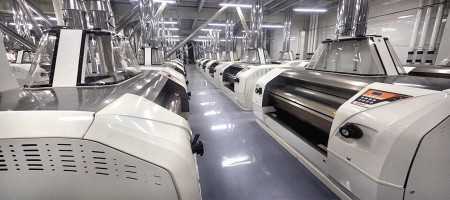



The technical advantage of inactivated yeast lies in its dual role as both a nutritional enhancer and a functional feed additive. Photo: Collected
In the evolving landscape of animal nutrition, the demand for natural and high-efficacy feed additives has never been more pronounced. As regulatory frameworks tighten around antibiotic use and consumers increasingly prioritise ‘clean-label’ animal products, inactivated yeast products have emerged as a versatile and science-backed solution.
Unlike their active counterparts, inactivated yeast – rendered non-viable through controlled processing – delivers a unique combination of nutritional richness, functional benefits, and regulatory compliance, making it a cornerstone in modern livestock, poultry, and aquaculture production.
The science behind inactivated yeast – more than just a protein nutritional supplement
Inactivated yeast (also referred to as inactive dry yeast or autolysed yeast) is produced through a meticulous process that preserves the yeast’s valuable cellular components while eliminating its fermentative activity.
Typically derived from Saccharomyces cerevisiae – a species widely recognised by the European Food Safety Authority (EFSA) for its safety and efficacy as well as some other strains, such as kluyveromyces marxianus etc – the inactivation process (via heat treatment, pasteurisation, or autolysis) locks in key nutrients and functional compounds that drive its performance in animal diets.
The technical advantage of inactivated yeast lies in its dual role as both a nutritional enhancer and a functional feed additive. Its cellular structure – rich in high-quality proteins, balanced amino acids, B-complex vitamins, minerals, and bioactive compounds such as β-glucans, mannan-oligosaccharides (MOS), nucleic acid, and enzymes – delivers synergistic benefits that address critical challenges in animal production.
Unlike active yeast, which relies on colonisation of the gut to exert effects, inactivated yeast’s components are immediately bioavailable, making it a reliable and consistent solution across all production stages.
Key applications in animal nutrition – tailored solutions for diverse species
Different producers operate in a diverse market, with distinct nutritional needs for poultry, swine, ruminants, and aquaculture. Inactivated yeast products are uniquely adaptable, offering species-specific benefits that align with production standards and consumer expectations.
Poultry production: Enhancing gut health and performance
Poultry production in the EU faces mounting pressure to reduce antibiotic use while maintaining flock health and meat/egg quality. Inactivated yeast addresses this challenge by modulating the gut microbiota, strengthening the intestinal barrier, and supporting immune function. B-complex vitamins and nucleic acid in inactivated yeast support energy metabolism and feather development, while MOS helps bind pathogenic bacteria (such as Salmonella and E. coli), reducing the risk of foodborne pathogens in poultry products.
Swine production: Supporting early-life development and reproductive performance
Swine producers across Europe prioritise early-life nutrition to reduce post-weaning mortality and improve long-term productivity. Inactivated yeast products excel in this area, providing easily digestible proteins and bioactive compounds that support gut maturation in piglets. The β-glucans in inactivated yeast stimulate the innate immune system, helping piglets cope with the stress of weaning – a critical period marked by reduced feed intake and increased susceptibility to disease. For sows, inactivated yeast supports reproductive performance by improving feed intake during lactation, reducing oxidative stress, and enhancing milk quality – key factors in reducing sow parity decline and improving litter size.
Aquaculture: Meeting the demand for protein resource
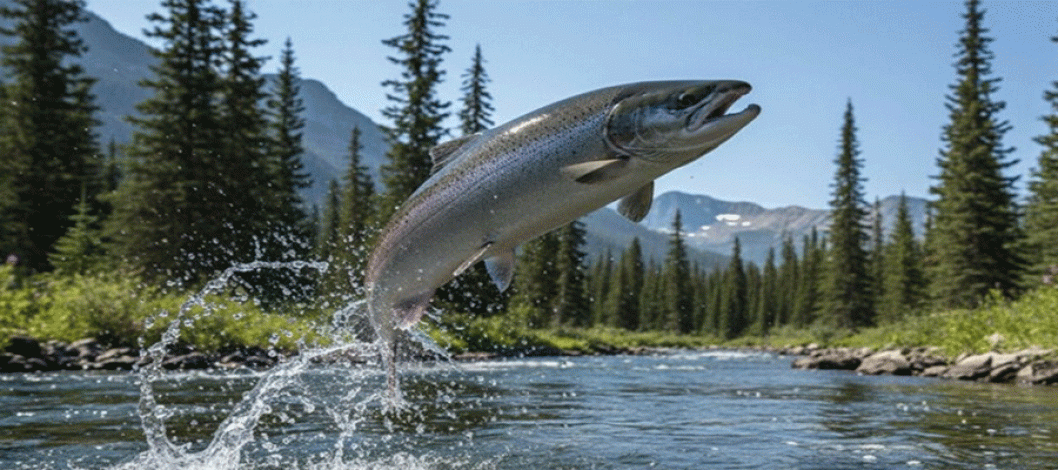
The European aquaculture sector is growing rapidly, with a focus on reducing reliance on fishmeal and fish oil. Inactivated yeast products offer a viable alternative, providing high-quality protein (with a balanced amino acid profile) and bio-active compounds that support fish and shrimp health. In aqua-feed, inactivated yeast enhances growth performance, improves feed conversion ratios (FCR), and strengthens immune function, reducing the need for therapeutic interventions. Its MOS content helps prevent pathogen colonisation in the gut, while nucleotides support tissue repair and stress tolerance – critical for intensive aquaculture systems. See detail.
You can learn about South Asia's
largest exhibition on this topic through this link: https://www.dpexpobd.com/
Source: Online/GFMM











Comment Now