Home
Editorial Calendar
How profitable is food processing today?
Story in: June-2026
Story: How profitable is food processing today?
Food processing is a moderately profitable and high-volume industry. While net profit margins typically range from 5% to 8%, businesses can achieve higher margins of 20% to 25% by focusing on value-added products such as specialty snacks, gourmet sauces, and functional foods. Food processing remains a profitable industry in 2026, but its profitability largely depends on product category, volume, automation, and supply chain efficiency. Across the industry, average profit margins are moderate rather than extremely high.
At a glance, the profitability of food processing includes; Net
profit margin: Typically averages between 5% and 8% for product-level
production (e.g., bulk dairy products, raw meat, basic grains).
Value-added margin: Can reach 20% to 25% for
processed, packaged, and branded products (e.g., ready-to-eat foods, premium
spices).
Industry model: Success depends on achieving
economies of scale. Large-scale production requires high initial capital
investments in specialized equipment and supply chain logistics.
Key drivers of food processing profitability include; Material
volatility: Prices of raw agricultural products fluctuate due to climate
and trade changes. Hedging strategies and strong relationships with suppliers
are crucial to protect margins.
Energy and labor costs: Food processing is highly
energy-intensive and increasingly automated. Rising utility rates and labor
shortages can severely impact bottom line profits.
Value addition: Converting simple products into
ready-to-use ingredients or consumer-ready packaged products greatly increases
your potential for profit growth compared to raw agricultural products.
Strategies to maximize food processing profits include; Invest
in automation: Using automated packaging and processing lines reduces
long-term labor costs and waste, which increases operational efficiency.
Product diversification: Expanding into high-demand
niches such as organic, plant-based, or ethnic foods can help you command
higher prices.
Supply chain optimization: Direct-to-consumer (D2C)
channels and sourcing products from local sources help reduce middlemen’s costs
and increase overall profits.




Home Editorial Calendar How profitable is food processing today?
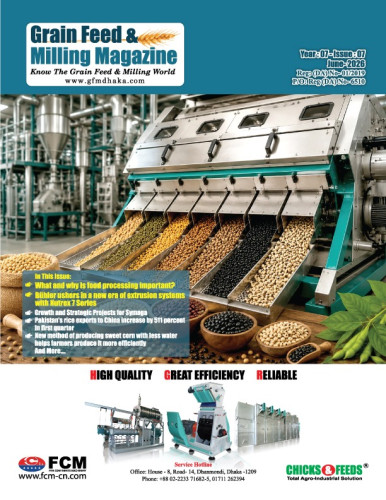
Story: How profitable is food processing today?
Food processing is a moderately profitable and high-volume industry. While net profit margins typically range from 5% to 8%, businesses can achieve higher margins of 20% to 25% by focusing on value-added products such as specialty snacks, gourmet sauces, and functional foods. Food processing remains a profitable industry in 2026, but its profitability largely depends on product category, volume, automation, and supply chain efficiency. Across the industry, average profit margins are moderate rather than extremely high.
At a glance, the profitability of food processing includes; Net profit margin: Typically averages between 5% and 8% for product-level production (e.g., bulk dairy products, raw meat, basic grains).
Value-added margin: Can reach 20% to 25% for processed, packaged, and branded products (e.g., ready-to-eat foods, premium spices).
Industry model: Success depends on achieving economies of scale. Large-scale production requires high initial capital investments in specialized equipment and supply chain logistics.
Key drivers of food processing profitability include; Material volatility: Prices of raw agricultural products fluctuate due to climate and trade changes. Hedging strategies and strong relationships with suppliers are crucial to protect margins.
Energy and labor costs: Food processing is highly energy-intensive and increasingly automated. Rising utility rates and labor shortages can severely impact bottom line profits.
Value addition: Converting simple products into ready-to-use ingredients or consumer-ready packaged products greatly increases your potential for profit growth compared to raw agricultural products.
Strategies to maximize food processing profits include; Invest in automation: Using automated packaging and processing lines reduces long-term labor costs and waste, which increases operational efficiency.
Product diversification: Expanding into high-demand niches such as organic, plant-based, or ethnic foods can help you command higher prices.
Supply chain optimization: Direct-to-consumer (D2C) channels and sourcing products from local sources help reduce middlemen’s costs and increase overall profits.
-Editor
SHeare